
If you’ve been monetizing an app or game for a while, you already know this: the ad format that “worked last year” doesn’t always work now.
Banners get ignored. Interstitials annoy users at the wrong moment. And even rewarded video (still a strong format) can start feeling repetitive when users see the same loop again and again.
So what are publishers doing in 2026?
They’re leaning into native advertising, not because it’s a buzzword, but because it’s one of the few ad experiences that doesn’t feel like a penalty for the user.
Native ads don’t interrupt people. They sit inside the product in a way that feels normal. Sometimes they look like content. Sometimes they look like a UI card. In games, they can look like a real billboard or a poster you’d expect to see anyway.
And that difference matters.
Because in 2026, monetization isn’t just about “getting impressions.” It’s about:
keeping retention stable
avoiding negative reviews
protecting UX
and still making revenue predictable
That’s where native ad platforms, native platforms, and native ad networks come in, especially for teams evaluating native advertising providers that can scale without harming product experience.
Native ads in 2026 have also evolved a lot. They’re no longer limited to feed-style placements. Today, they’re contextual, immersive, and designed for real app environments, not just websites, making them a natural fit for native ads publishers and native advertising publishers who want sustainable revenue.
The demand reflects this evolution:
- Native ads deliver 5x to 10x higher engagement compared to display ads.
- In-app native ad spending is projected to surpass $95 billion globally by 2026.
- In-game native advertising, one of the fastest-growing segments, is expected to expand at an 11.2% CAGR through 2028.
- Emerging markets like India, LATAM, MENA, and Southeast Asia are leading growth because mobile-first usage is massive there.
In this environment, choosing the right native ad platform is not a “nice optimization.” It can literally change your revenue curve.
This guide covers the 10 best native ad platforms in 2026, including in-app native advertising platforms, native ad networks, in-game native advertising providers, and platforms that support both, helping native ad publishers compare the best native advertising platforms in one place.
What are Native Ads
At their core, native ads are ad formats designed to blend into the product experience instead of sitting on top of it. They match the visual style, layout, and behavior of the platform where they appear, which makes them feel less like interruptions and more like part of the flow.
A simple way to think about native ads is this: if you removed the “Sponsored” label, the placement should still make sense visually and contextually.
In 2026, native ads appear across many surfaces.
- App feeds
- Content recommendation sections
- Offerwalls
- In-app cards & UI elements
- In-game objects (billboards, 3D textures, posters)
- Interactive elements within virtual environments
- Hybrid reward systems
The objective is simple:
deliver ads that feel relevant, timely, and natural.Why Native Ads Have Become Essential
Native ads dominate because they align user behavior with advertiser goals. Over the past few years, user behavior has undergone a major shift. People are spending more time on mobile apps and games, but their tolerance for intrusive advertising has dropped dramatically. Pop-ups, full-screen takeovers, and loud interstitials increasingly trigger immediate exits, negative reviews, or churn. In contrast, native ads succeed because they align with how users naturally consume content. They blend in, feel familiar, and respect the experience.
This alignment between user expectations and advertiser objectives is exactly why native advertising has become a non-negotiable component of modern monetization strategies, especially for native ad platforms working with native advertising publishers across mobile and gaming.
Below are the key reasons native ads lead the ecosystem in 2026:
-
Higher engagement and CTRs
Native ads consistently outperform traditional display formats because users perceive them as part of the environment rather than an interruptive layer placed over it. Whether it’s a content-style card inside an app feed or a billboard inside a racing game, the ad format feels organic. This leads to meaningful increases in engagement:
- 3x–10x higher CTRs compared to banner ads
- Better on-screen visibility due to natural placement
- Higher conversion rates across app categories
In an era where both acquisition and retention are costly, this level of performance makes native ads indispensable, and why publishers actively look for the best native advertising platforms instead of relying only on traditional display networks.
-
Better user experience
User experience is at the heart of why native ads have grown so rapidly. Traditional ads interrupt the journey, often at critical points, breaking immersion, slowing engagement, or frustrating users. Native ads avoid this entirely.
By aligning with UI elements or blending into gameplay, native ads:
- Reduce cognitive disruption
- Maintain session flow
- Produce less ad fatigue
- Keep players engaged longer
For developers, this means healthier retention curves and lower drop-off rates, especially for gaming environments, one reason native ads publishers increasingly prioritize native ad networks that support in-app and in-game placements.
-
Improved monetization
Native ads are not just user-friendly, they are revenue-friendly. Developers across regions report higher ARPU, fill rates, and session-level monetization when shifting to native formats.
This is because native ads seamlessly adapt to:
- Different screen sizes
- Different gameplay moments
- User behavior patterns
- High-value placements within apps
By being better integrated and better performing, native ads help publishers unlock revenue that traditional ad formats often leave on the table, particularly when using native advertising providers with strong demand quality.
-
Better contextual relevance in the cookieless era
With privacy changes reshaping digital advertising—IDFA opt-outs, cookie deprecation, and stricter data protection laws, advertisers are moving away from identity-based targeting.
Native ads thrive in this new reality because they rely on:
- Context, not third-party identifiers
- Placement relevance, not invasive tracking
- In-app behavior, not personal data
This makes native ads a future-proof solution, perfectly aligned with where the industry is heading.
-
Trust is everything in advertising. Users are far more likely to respond positively when they feel in control of their experience. Native ads help brands build credibility because they:
Native ads consistently outperform traditional display formats because users perceive them as part of the environment rather than an interruptive layer placed over it. Whether it’s a content-style card inside an app feed or a billboard inside a racing game, the ad format feels organic. This leads to meaningful increases in engagement:
- Avoid aggressive, disruptive creative
- Present information in a natural, content-driven format
- Match the tone and environment of the app or game
- Appear as recommendations rather than interruptions
This improves brand favorability, ad recall, and purchase intent, giving marketers a format that drives both performance and brand outcomes.
Together, these advantages have pushed native advertising to the forefront of the app and gaming monetization landscape in 2026.As attention spans shrink and user expectations continue to rise, native ads provide the ideal balance between monetization, engagement, and trust, making them one of the most strategic investments for developers and marketers this year.
What are Native Ad Platforms
Native ad platforms help publishers and advertisers deliver, track, optimize, and scale native advertising campaigns. These platforms:
- Connect publishers to premium demand sources
- Offer multiple native formats
- Provide SDKs, APIs, and integration tools
- Ensure brand safety
- Deliver analytics and optimization
- Match ads contextually for better performance
In 2026, the role of native ad platforms has grown even more critical. They not only help deliver ads, they help developers navigate revenue growth across:
- Attribution changes
- Privacy-first ecosystems
- Rising UA costs
- Global expansion
- Gaming ad evolution
The platforms below represent the best-performing choices for apps and gaming ecosystems across the world.
The 10 Best Native Ad Platforms in 2026
Below is the expert-curated list featuring in-app native ad platforms, in-game immersive ad networks, and programmatic native leaders. This list was built considering performance, innovation, demand quality, technology, and global scale.
-
PubScale
PubScale has established itself as one of the most powerful and versatile native ad platforms in 2026. Unlike traditional networks, PubScale brings together monetization, user acquisition, and analytics under a unified ecosystem, helping publishers maximize earnings while improving user experience.
Why PubScale Leads the Market
PubScale’s strength lies in its ability to deliver deeply integrated native ad experiences across various app categories, including gaming, utility, fintech, edtech, and entertainment. PubScale’s ads adapt to your app’s existing UI, ensuring minimal disruption.
Its Offerwall and CPE-based native formats are especially favored by developers targeting high-intent actions and long-term engagement.
Key Capabilities
- Native ad formats that blend with app UI
- Intelligent targeting powered by ML
- Rich analytics and performance optimization
- High eCPM across India, the US, SEA, and LATAM
- Smooth SDK/API integration
- Premium advertiser demand
Who Should Use It
Developers who want a holistic solution for native monetization + growth + attribution across multiple regions.
Monetize your game effortlessly with native ads.
-
Gadsme
Gadsme has gained traction as one of the most developer-friendly in-game native ad platforms, thanks to its ultra-light SDK and frictionless integration.
Its native ads appear inside gameplay, on walls, billboards, and environments without altering performance or interrupting players.
Why Developers Choose Gadsme
- Minimal SDK footprint
- Highly viewable native placements
- Brand-safe environments
- Strong global advertiser demand
Gadsme is particularly effective in casual, hypercasual, racing, and simulation-style games.
-
Anzu
Anzu stands as one of the most technically advanced in-game native platforms in 2026. Recognized for its partnerships with console, PC, and mobile game studios, Anzu offers high-quality, immersive placements that stay true to gameplay environments.
What Makes Anzu Stand Out
- True-to-world native placements
- High-quality global brands
- Cross-platform support (PC, console, mobile)
- Deep analytics & measurement
AAA developers and premium gaming studios consider Anzu a top choice for balancing monetization and immersion.
-
Adverty
Adverty uses patented In-World™ advertising technology, enabling ads to appear naturally within 3D and virtual environments. It’s one of the earliest innovators in in-world native advertising, blending ads into the fabric of game levels and scenes.
Strengths
- Natural ad integration
- VR/AR compatibility
- Strong brand partnerships
- Real-time viewability metrics
Adverty is well-suited for immersive games and environments with rich 3D assets.
-
AdInMo
AdInMo offers a unique approach: native in-game ads that don’t require clicks, reducing player frustration and improving retention. It focuses heavily on player experience, delivering impression-based ads that simply blend into the world.
Key Highlights
- Non-clickable native ads
- High retention impact
- Works across global GEOs
- Supports rewarded and non-rewarded modes
AdInMo works best for casual and hypercasual games that require non-intrusive ads.
-
iion
iion positions itself as a unified immersive media platform, giving advertisers and developers access to users across multiple channels: web, mobile, in-app, and in-game.
Why iion Is Future-Proof
- Multi-environment ad delivery
- Strong programmatic demand
- Advanced targeting and measurement
- Connects brands with gaming audiences at scale
Ideal for developers wanting multi-channel reach without juggling multiple SDKs.
-
Bidstack
Bidstack has become synonymous with intrinsic in-game ads, especially within simulation games like sports and racing. Its placements appear naturally on stadium banners, track-side boards, and in-world signage.
Strengths
- Extremely realistic ad placements
- High-quality advertiser demand
- Strong measurement tools
- Great fit for esports & simulation games
Bidstack continues to dominate the sports and esports advertising vertical.
-
Frameplay
Frameplay specializes in delivering ads inside highly detailed environments without affecting performance or frame rate. It’s trusted by developers who prioritize visuals and gameplay smoothness.
Highlights
- High-fidelity intrinsic ads
- Low-latency ad delivery
- Premium brand experiences
- Ideal for visually intensive mobile titles
Frameplay is preferred by high-graphics game studios aiming for premium brand partnerships.
-
Chartboost
Chartboost remains one of the most recognizable ad platforms in mobile advertising. With its strong DSP connections and extensive marketplace, it offers a robust mix of native cards, placements, and programmatic demand.
Why Chartboost Still Matters in 2026
- Excellent for app monetization
- High fill rates
- Trusted by thousands of developers
- Strong iOS + Android performance
For publishers needing scale and stability, Chartboost is a dependable option.
-
Unity Ads
Unity Ads blends native feed ads and in-game placements, especially for developers building on Unity. Its massive ecosystem gives developers access to global demand and easy integration.
Key Advantages
- Native placements that fit Unity UI
- Global advertiser marketplace
- Strong performance in gaming GEOs
- Seamless integration into the Unity engine
Unity Ads remains a top-tier choice for developers who want a unified framework for development and monetization.
This table provides readers and decision-makers with a quick, high-level snapshot of how each platform compares across type, strengths, formats, and geographic performance.
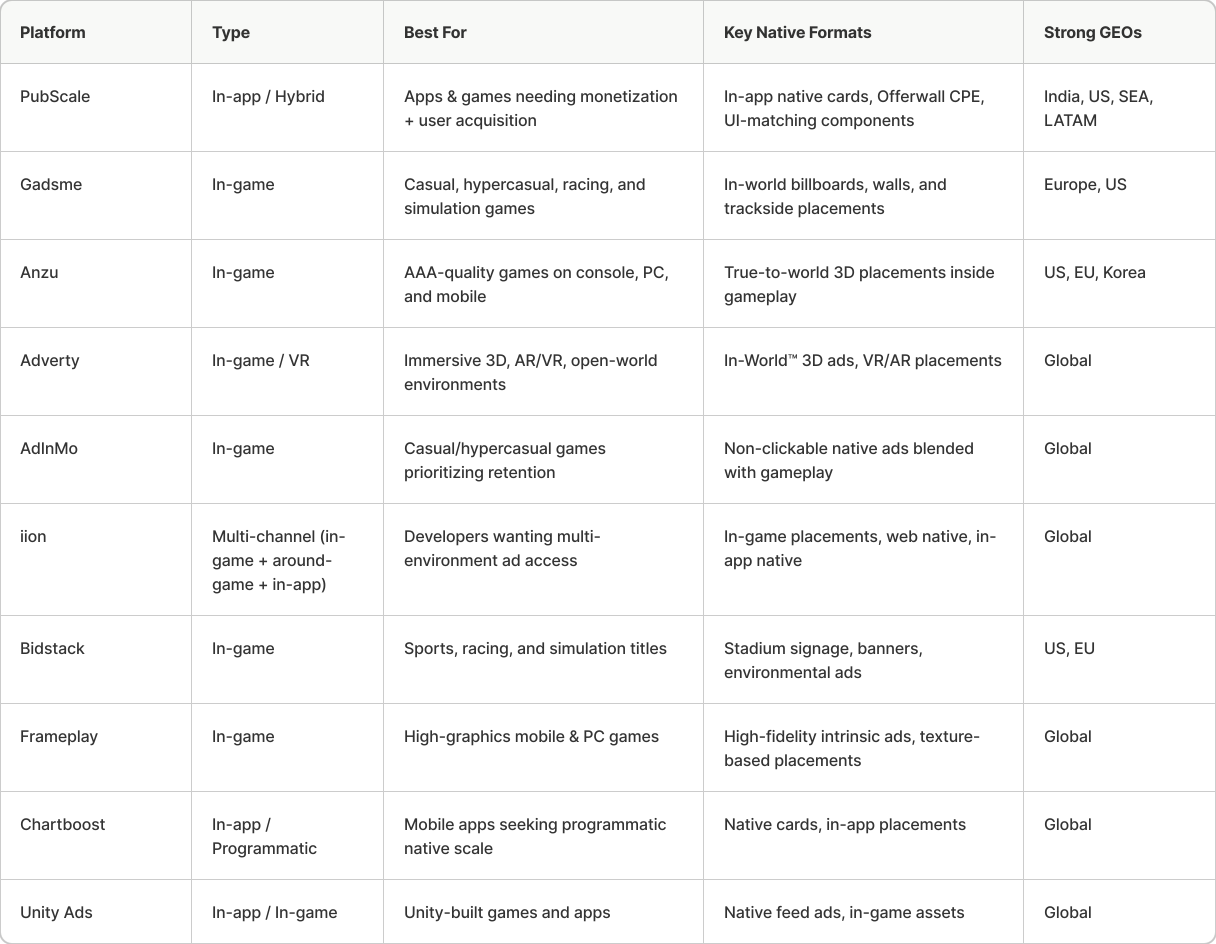 The 10 Best Native Ad Platforms in 2026
How to Choose the Right Native Ad Platform in 2026
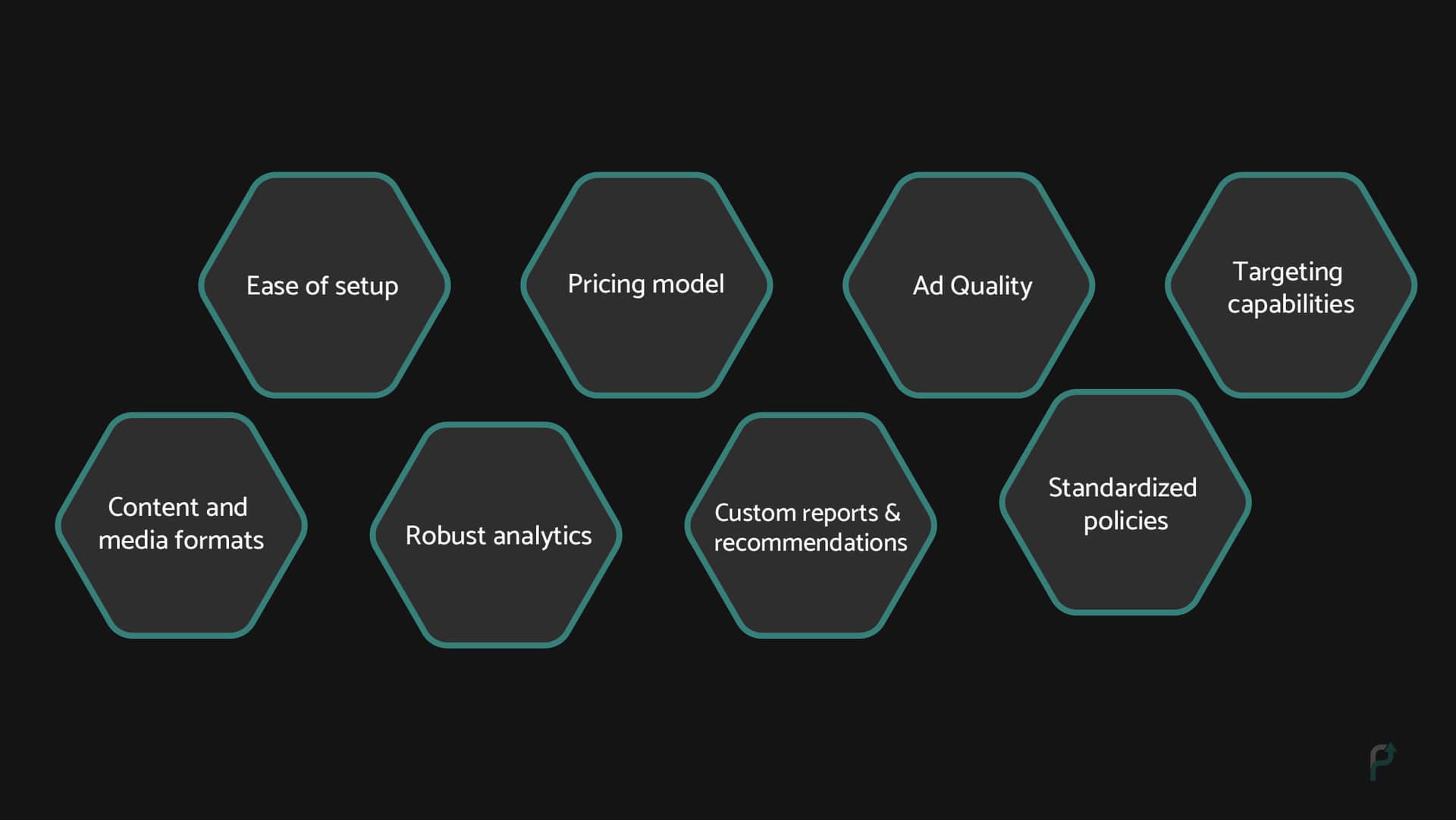 How To Choose The Best Native Ad Platform
Selecting the right native ad platform in 2026 is no longer just about choosing a network with decent eCPMs. The landscape has evolved. With new privacy laws, rising user acquisition costs, and rapid growth in in-game advertising, developers need a partner that can deliver performance, experience, and sustainability, all at once.
The ideal platform depends heavily on your app category, target regions, monetization mix, and long-term product strategy. Whether you’re optimizing for ARPU, retention, brand demand, or immersive ad formats, the right choice can significantly influence your revenue trajectory.
Below are the essential criteria every publisher should evaluate before committing to a native ad partner.
-
Integration Simplicity & Technical Compatibility
A native ad platform should be easy to implement, maintain, and scale. In 2026, developers prioritize solutions that deliver performance without increasing app size or affecting framerate.
Look for:
- Lightweight SDKs (<1–3 MB preferred)
- Modular integration (choose only the components you need)
- Flexible API and iFrame options for web or hybrid apps
- SDK stability and version history
- Support for Unity, Unreal, Android, iOS
- Low CPU/GPU consumption
A platform that integrates quickly reduces engineering overhead and accelerates monetization. This is especially important for gaming studios with tight production cycles
-
Ad Quality & Contextual Relevance
Native advertising’s power lies in its ability to blend seamlessly into the experience. This only works if the creative quality and contextual matching are strong.
A good platform must:
- Render ads that match the UI or gameplay environment
- Deliver ads from brand-safe, reputable advertisers
- Avoid low-quality, deceptive, or arbitrage-driven creatives
- Use contextual targeting to improve ad relevance
- Support dynamic creative optimization (DCO)
Poor-quality ads can erode player trust, increase churn, and even result in negative app store reviews. High-quality native creatives, on the other hand, elevate both engagement and revenue.
-
Global GEO Strength & Market Fit
Native ad performance varies dramatically across regions. Platforms that excel in the US or Europe may underperform in India, MENA, or LATAM, and vice versa.
A strong partner will demonstrate consistent fill, stable eCPM, and diversified advertiser demand across the markets you care about.
GEO Performance Snapshot (2026)
-
India & Southeast Asia
High in-app native consumption, strong gaming growth, high CTR formats perform best.
-
LATAM (Brazil, Mexico, Colombia)
Exceptional engagement in gaming apps, rising advertiser budgets.
-
MENA (Saudi Arabia, UAE, Egypt)
Premium CPMs are due to stronger brand demand and higher spending power.
-
US & Europe
Most competitive markets with high-value brand demand, strict quality, and privacy expectations.
Choose platforms that explicitly demonstrate strength in your top-traffic regions, not just globally.
-
India & Southeast Asia
-
Pricing Models & Monetization Flexibility
Your monetization strategy, rewarded, hybrid, premium, or non-intrusive, will influence the type of pricing model you require. The best native ad platforms in 2026 provide flexibility, letting developers optimize revenue based on engagement and user behavior.
Key pricing models to expect:
- CPC (Cost Per Click) — great for performance advertisers and apps that generate strong click-throughs
- CPM (Cost Per Mille) — ideal for stable, impression-focused monetization
- CPE (Cost Per Engagement/Event) — high-intent actions such as signups or in-game achievements
- Hybrid pricing — mixes CPM + engagement optimization
- vCPM (Viewable CPM) — based on IAB viewability standards
Platforms that offer multiple models allow you to maximize ROI without sacrificing user experience.
-
Reporting, Analytics & Optimization Tools
In 2026, monetization success depends on data quality, not just ad demand. Developers require deep visibility into how ads perform at the network, placement, and user-level segments.
A strong reporting system should offer:
- Real-time dashboards
- Clear revenue breakdowns (per creative, per GEO, per placement)
- Fill rate, eCPM, viewability, and latency metrics
- A/B testing or multivariate optimization tools
- Automated bidding adjustments
- Machine learning–based optimization
Platforms with transparent reporting empower developers to make data-driven decisions, boost ARPU, and improve long-term revenue efficiency.
-
Content & Format Flexibility
The strength of native advertising lies in versatility. In 2026, publishers expect platforms to support multiple formats to engage users across different touchpoints.
The best native ad platforms offer:
In-App Native Formats- Feed-style native cards
- UI-matching ad components
- Article or content recommendation units
- Native video ads
- Carousel or story-like native placements
- Billboards and signage
- 3D object textures
- Stadium banners
- Ground decals
- Environmental ad placements
- Interactive or immersive native experiences
- Rewarded-native ads
- Offerwall-native integrations (CPE-based)
- Contextual native placements combined with rewarded mechanics
This variety ensures:
- Better user experience
- Stronger advertiser demand
- Higher fill rates
- More stable earnings
- Better match with different genres (games, fintech apps, news apps, utilities, etc.)
In Summary
Choosing the right native ad platform in 2026 requires balancing technical compatibility, monetization performance, GEO strength, and user experience impact. A partner that excels across these dimensions will help future-proof your app’s revenue strategy in a rapidly changing AdTech landscape.
The Global GEO Impact: Where Native Ads Perform Best
In 2026, regional behavior plays a vital role in native ad monetization:
- India: Explosive growth in gaming + fintech apps
- LATAM (Brazil, Mexico, Colombia): High engagement, rising brand budgets
- MENA (Saudi Arabia, UAE, Egypt): Premium CPM + strong advertiser demand
- SEA (Indonesia, Vietnam, Philippines): High mobile-first adoption
- US & Europe: Strong competition, premium advertising budgets
Developers targeting emerging markets see especially high ROI from native formats due to:
- Greater ad engagement
- Higher session times
- Strong preference for non-intrusive formats
Native Ad Performance by Region (2026 Snapshot)
This table helps readers understand how regional behavior aligns with native ad performance, making your blog more insightful and actionable.
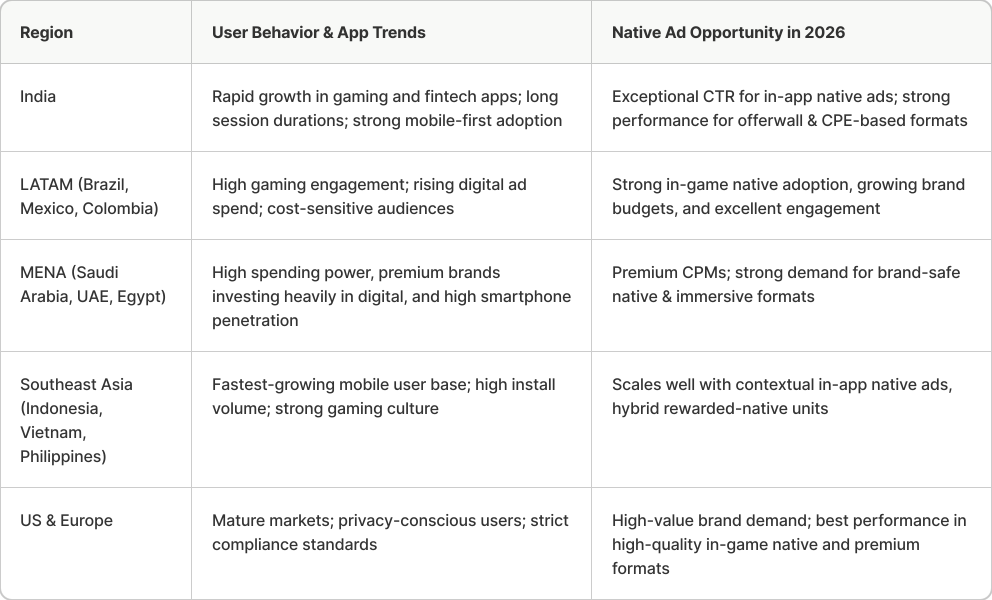 The Global GEO Impact: Where Native Ads Perform Best
Final Thoughts: Native Ads Are the Future of Mobile Monetization
As user journeys become more fragmented and privacy barriers rise, the move toward contextual, immersive, and experience-first advertising becomes inevitable. Native ads offer exactly what the modern ecosystem needs: ads that do not interrupt, but rather integrate and enhance the user experience.
Platforms like PubScale, Gadsme, Anzu, Adverty, AdInMo, and others mentioned above are redefining what is possible across apps and games in 2026.
Whether you’re looking to maximize revenue, improve engagement, or build a premium brand-safe experience, native advertising stands out as the smartest and most sustainable approach.
And with the right native ad platform, you’re not just improving monetization; You’re future-proofing your app business.

The only ad platform built for developers by developers.
Contact us now for a product that fits your needs! It’s quick, simple and easy.